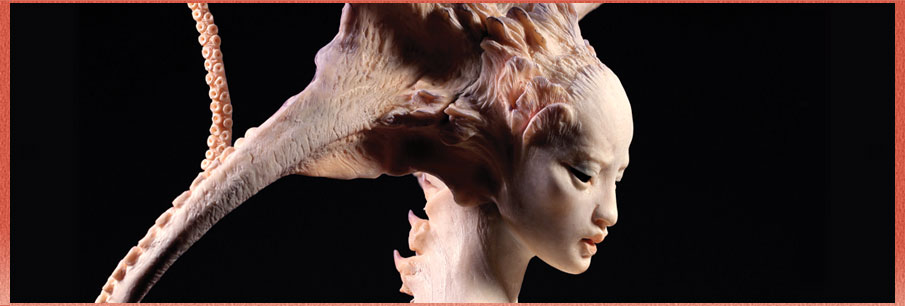
A dream (with which I suspect many of us could identify at one time or another) reported by novelist Edith Wharton, 1913:
“A pale demon with black hair came in, followed by four gnome-like creatures carrying a great black trunk. They set it down and opened it, and the Demon, crying out: ‘Here’s your year - here are all the horrors that have happened to you and that are still going to happen’ dragged out a succession of limp black squirming things and threw them on the floor before me. They were not rags or creatures, not living or dead - they were Black Horrors, shapeless, and that seemed to writhe about as they fell at my feet, and yet were as inanimate as bits of stuff. But none of these comparisons occurred to me, for I knew what they were: the hideous, the incredible things that had happened to me in this dreadful year, or were to happen to me before its close; and I stared, horror-struck, as the Demon dragged them out, one by one, more and more, till finally, flinging down a blacker, hatefuller one, he said laughing: ‘There - that’s the last of them!’
The gnomes laughed too; but I, as I stared at the great black pile and the empty trunk, said to the Demon: ‘Are you sure it hasn’t a false bottom?’ “
~ Edith Wharton, October 1913, from Edith Wharton, by R.W.B. Lewis, 1975

 'Not Far' by Lou P. Rogers


 Another piece by my mother, oil on canvas. She has sculpted and painted a large population of fauns and
greenmen.
Another piece by my mother, oil on canvas. She has sculpted and painted a large population of fauns and
greenmen.


 In 1987 the Carnegie Museum of Natural History, Pittsburgh, launched its model dinosaur line, “The Carnegie Collection”. I’ve worked with them since the beginning of that series, creating each creature with the guidance of the Carnegie’s experts, and learning a great deal the process. This is Caudipteryx, first the polymer clay original, with two painted resin prototypes below. Needless to say, we have some leeway on the colour, though we try to refer to appropriate living species. I use either Kato Polyclay or Classic Fimo for these models, with inset glass-bead eyes.